Timber service
Wood Staining, Varnishing & Clear Sealing Melbourne
Timber decking, feature beams, doors and furniture-grade timber stained, varnished or clear-sealed to protect and enhance natural grain.
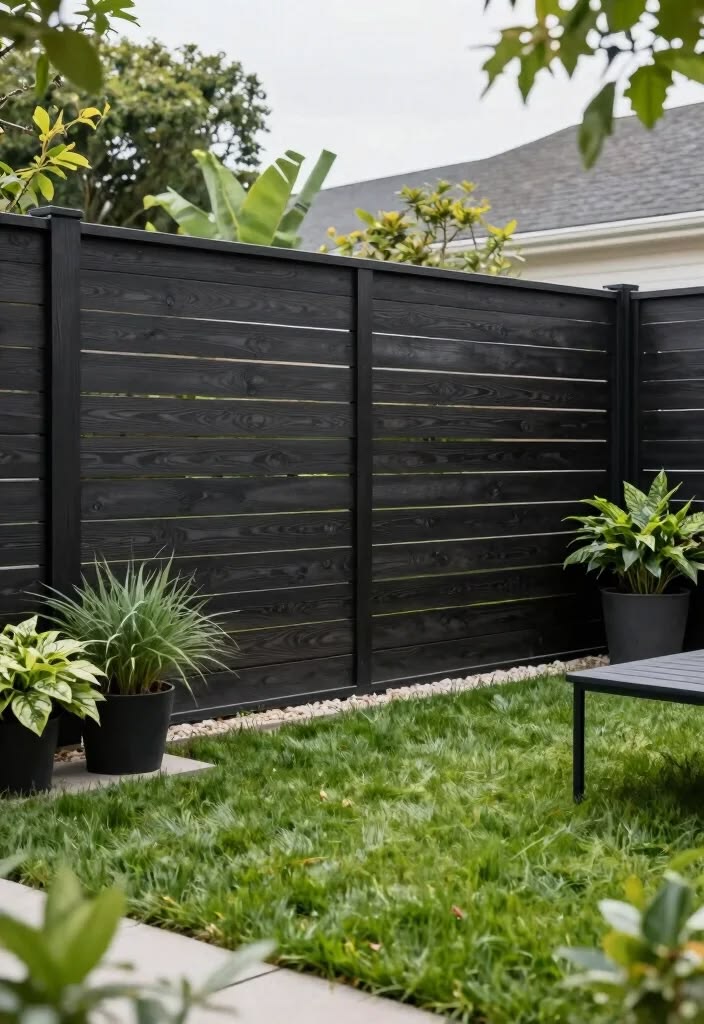
Clear finishes hide nothing
Paint forgives. A clear or stained finish does not — every sanding scratch, glue mark, patch of mill glaze and inconsistency in the timber comes straight through the coating and is magnified by it. Clear work is preparation work, and the preparation has to be sequenced properly.
We sand progressively through grits rather than jumping, clean between passes, and test the stain on an offcut or an inconspicuous area first, because the same stain reads completely differently on merbau, blackbutt, pine and Tassie oak.
Where clear and stained finishes are used
- Timber decking, stairs and pool surrounds in decking oil or stain
- Exposed beams, posts and rafters in interior and outdoor rooms
- Front doors and timber entry surrounds in UV-stable clear systems
- Internal doors, staircases, handrails and balustrades
- Window frames, sashes and reveals
- Feature timber cladding and battened screens
- Furniture-grade timber and built-in joinery
Stain, varnish or clear seal
Stain adds pigment and colour while keeping the grain visible, and pigment is what carries UV protection — the more colour, the longer the finish survives outside. Varnish builds a hard, film-forming surface with sheen and depth, ideal for doors, handrails and interior joinery. A clear penetrating seal soaks in without building a film, which keeps timber looking natural and makes re-coating simple.
Outdoors in Melbourne, film-forming clear coats on exposed timber are a trap: they look superb for a season, then UV breaks the film and it peels, and stripping it back is expensive. On anything in direct sun we recommend a penetrating oil or stain instead and tell you the re-coat interval up front.
Preparation and re-coating
Weathered timber is cleaned and, where it has greyed, treated with a timber brightener to strip the oxidised surface layer before sanding, so the stain penetrates evenly instead of blotching. Old failing coatings are removed rather than coated over.
At handover you get the product details and the realistic maintenance cycle for what we applied — typically 12 to 24 months for exterior oils, two to four years for exterior stains, and many years for interior varnish work.
Our process, start to finish
- 01
On-site inspection
We walk the job with you, measure up, check surface condition and note anything that needs repair before a brush is lifted.
- 02
Written scope and quote
You receive an itemised quote listing surfaces, coats, products and inclusions — so you know exactly what you are paying for.
- 03
Protection and preparation
Floors, fixtures and landscaping are covered. Preparation is the stage that decides how long the finish lasts, so it is never rushed.
- 04
Application
Primers and topcoats applied to manufacturer specification, in the right conditions, with the correct number of coats.
- 05
Quality inspection
We inspect cut-ins, edges and coverage in natural light and correct anything that falls short before we call it finished.
- 06
Final walkthrough
We walk the completed job with you, hand over touch-up paint and colour records, and only invoice once you are happy.
Wood Staining & Varnishing — indicative pricing
These are indicative price ranges only. Every project is individually quoted after an on-site inspection — scope, condition and access change the number significantly.
| Project | Indicative range |
|---|---|
| Front door, stripped and clear finished | $400 – $1,200+ |
| Timber staircase and handrail | $900 – $3,000+ |
| Exposed beams or feature timber | $700 – $2,500+ |
| Deck sand and stain | $1,800 – $5,000+ |
| Timber cladding or screening | $2,000 – $7,000+ |
Frequently asked questions
What is the difference between staining and varnishing timber?
Stain adds colour and penetrates the timber, keeping the grain visible and re-coating easy. Varnish builds a hard protective film on the surface with more sheen and better wear resistance, which suits doors, handrails and interior joinery.
Can you clear seal outdoor timber so it stays natural?
Yes, using a penetrating clear seal, though you should expect a shorter re-coat cycle. Clear coatings carry no pigment, and pigment is what blocks UV — in full Melbourne sun a lightly tinted stain will hold two to three times longer while still looking natural.
Can you strip an old varnish that is peeling?
Yes. Failed varnish is stripped or sanded back to bare timber, the surface neutralised and re-sanded through grits, then re-coated with a system suited to the exposure — there is no way to coat over a peeling film and get a lasting result.
Related services
Ready when you are
Let's paint something you'll be proud of.
Free on-site quotes across Melbourne. No pressure, no shortcuts, just an honest scope and a clean finish.
Request a quote