Outdoor service
Deck & Fence Painting and Staining in Melbourne
Timber decks, fences, pergolas and screens restored, sanded and coated. Oil, stain or paint — matched to the timber, the exposure and how much maintenance you actually want to do.
Outdoor timber has a short memory
A deck takes more punishment per square metre than any other surface on your property. Direct UV, foot traffic, rain, pot plants and furniture all work on it, and untreated or lapsed timber goes grey, splinters and cups within a couple of seasons.
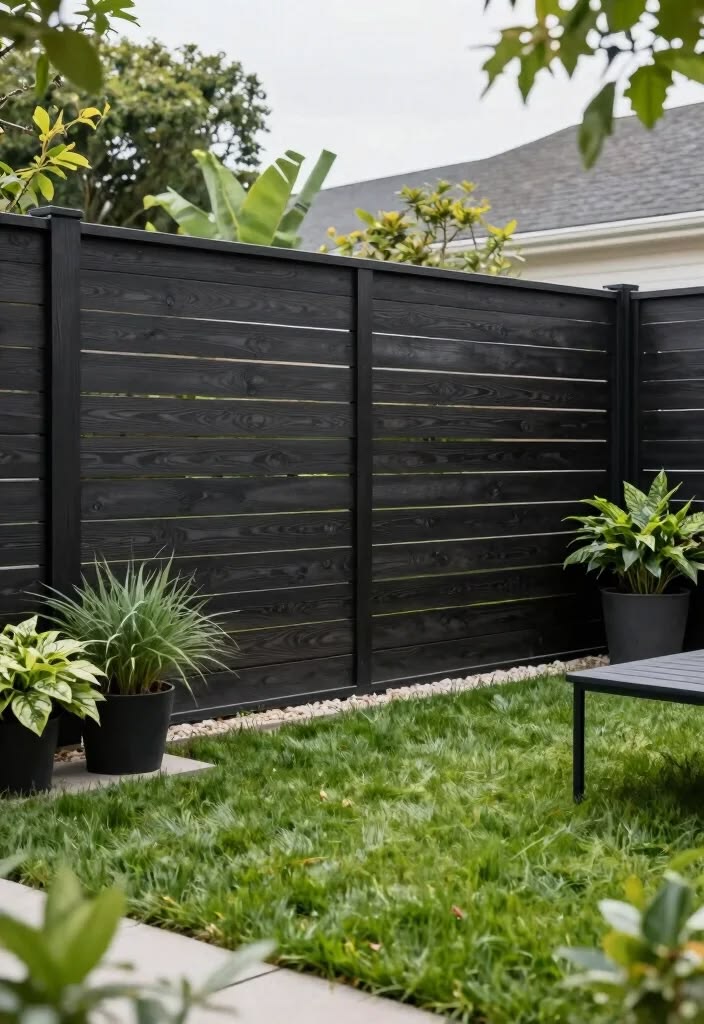
Fences are less trafficked but more exposed, and they are often the largest single visible surface from the street. A tired, patchy fence undoes the impression of a well-kept home before a visitor reaches the gate.
Stain, oil or paint — what is right for your timber
This is the decision that matters most, and it depends on the timber, the exposure and the maintenance you are realistically willing to do.
- Decking oil — penetrates and enriches the grain, easiest to re-coat, needs redoing every 12–24 months
- Timber stain — more pigment, better UV protection, longer intervals, still shows the grain
- Solid stain — near-opaque colour with timber texture retained, good on tired older decks
- Exterior paint — maximum colour choice and coverage on fences and pergolas, but on a deck it will wear at traffic points and needs full removal to change later
Preparation and restoration
Every deck job starts with a full clean and, where the timber has greyed, a timber cleaner or brightener to strip the oxidised surface layer and restore the natural colour underneath. Nails and screws are punched or reset, loose boards refixed, and badly split boards replaced.
The deck is then sanded — a full machine sand on a badly weathered deck, a lighter cut on a maintained one — to open the grain so the coating can penetrate rather than sit on top. Coating an unsanded, greyed deck is why so many DIY oil jobs peel off in patches within a season.
Fences are washed, mould-treated, scraped where old coatings are failing, and any rotten palings or posts flagged for replacement before coating.
Maintenance you can plan for
We tell you at handover exactly what the re-coat cycle looks like for the system we have applied, so you can budget for it. Oiled decks want an annual or biennial refresh. Stained decks stretch further. A maintained deck costs a fraction of a restored one — the expensive job is always the one that got left for five years.
Our process, start to finish
- 01
On-site inspection
We walk the job with you, measure up, check surface condition and note anything that needs repair before a brush is lifted.
- 02
Written scope and quote
You receive an itemised quote listing surfaces, coats, products and inclusions — so you know exactly what you are paying for.
- 03
Protection and preparation
Floors, fixtures and landscaping are covered. Preparation is the stage that decides how long the finish lasts, so it is never rushed.
- 04
Application
Primers and topcoats applied to manufacturer specification, in the right conditions, with the correct number of coats.
- 05
Quality inspection
We inspect cut-ins, edges and coverage in natural light and correct anything that falls short before we call it finished.
- 06
Final walkthrough
We walk the completed job with you, hand over touch-up paint and colour records, and only invoice once you are happy.
Deck & Fence Painting — indicative pricing
These are indicative price ranges only. Every project is individually quoted after an on-site inspection — scope, condition and access change the number significantly.
| Project | Indicative range |
|---|---|
| Small deck — clean, sand and oil | $800 – $2,000+ |
| Standard deck — restoration and stain | $1,800 – $5,000+ |
| Large or multi-level deck | $4,000 – $9,000+ |
| Standard residential fence | $600 – $2,500+ |
| Long boundary or double-sided fence | $2,500 – $6,000+ |
Frequently asked questions
Should I oil or stain my deck?
Oil looks warmer and is easier to re-coat but needs doing every one to two years. Stain carries more pigment, protects better against UV and lasts longer between coats. We recommend based on your timber, exposure and how much ongoing maintenance you want.
Do you sand decks before coating?
Yes. Sanding removes the oxidised grey surface layer and opens the grain so the coating penetrates. Skipping it is the main reason deck coatings peel.
How long before I can walk on the deck?
Usually 24 hours for light foot traffic and 48 to 72 hours before furniture goes back on. We will confirm based on the product and the weather.
Can you paint a Colorbond or metal fence?
Yes. Metal fences are degreased, any rust treated and converted, then primed with a metal primer and finished with a compatible topcoat.
How often does a deck need re-coating?
Oiled decks every 12 to 24 months, stained decks every two to four years. North-facing and unroofed decks sit at the shorter end of both ranges.
Related services
Ready when you are
Let's paint something you'll be proud of.
Free on-site quotes across Melbourne. No pressure, no shortcuts, just an honest scope and a clean finish.
Request a quote